We built MakerSquare because
knowing isn't the same as building.

The gap that started everything.
Every professional I knew in 2025 was talking about AI. Reading about it, watching demos, sitting in presentations. Most of them were smart, experienced people with real domain knowledge — doctors, lawyers, operators, founders. And almost none of them could actually build anything with it.
That's not a capability problem. It's a format problem. The courses available were online, self-paced, and designed to teach concepts. They were optimized for completion, not for shipping. The thing that actually moves someone from "I understand AI" to "I built something with AI" is building something, with other builders, under real deadline pressure.
I'd seen this work before. The original MakerSquare — the coding bootcamp I ran in Austin years ago — proved that immersive, in-person, project-based learning changes what people are capable of. That model produces builders. So the question became: what would that look like for AI, right now, for the professionals who need it most?
Why we built it the way we did.
The 2-week format is not a compromise. It's the design. Long enough to ship real, working AI tools and build genuine momentum. Short enough that most professionals can take it without putting their life on hold.
The no-coding-required decision was also intentional. The most valuable AI builders aren't always the ones who know Python — they're the ones who know the problem deeply. A healthcare administrator who understands a patient intake workflow builds something more useful than an engineer guessing at it. We give domain experts the tools to build what only they can see needs to exist.
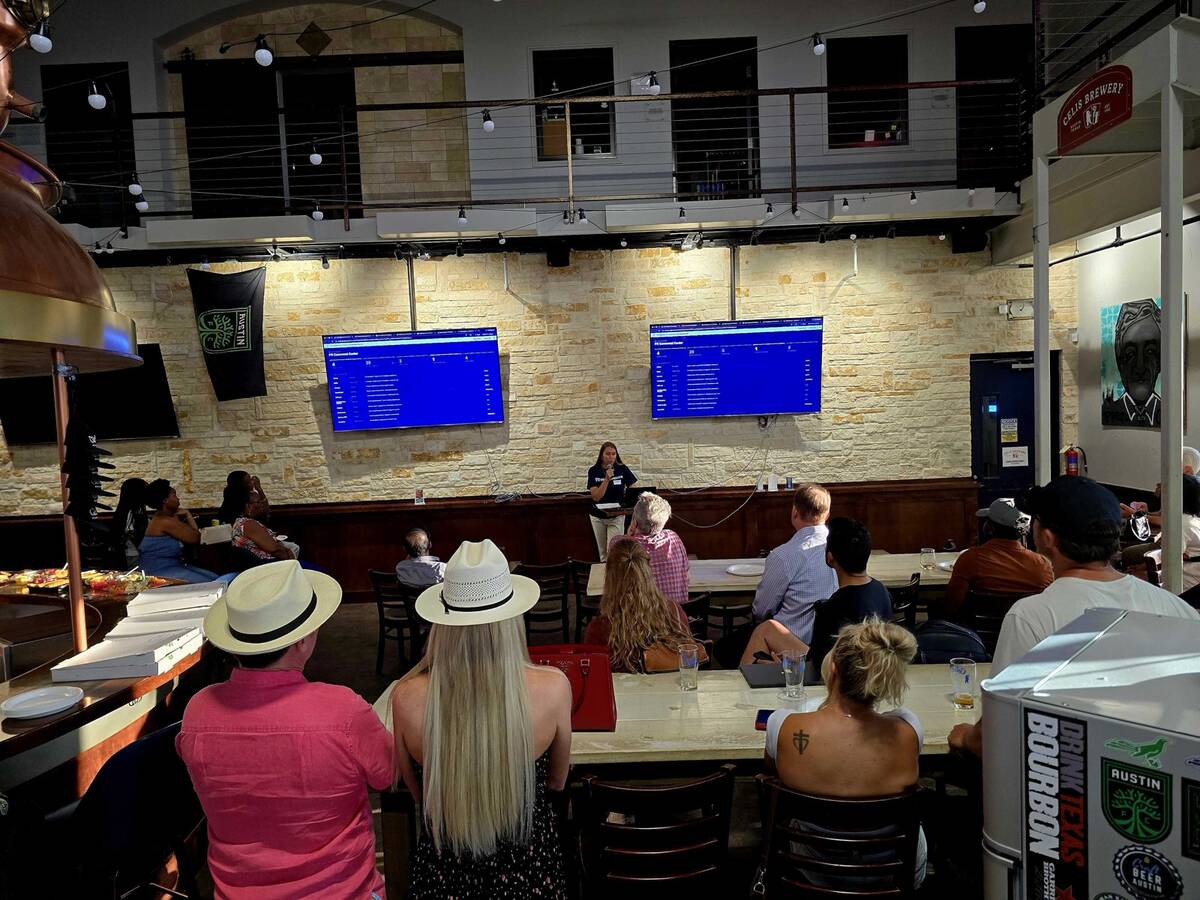
Demo Day is the proof of concept for everything. When a builder presents a live AI product in front of Austin's tech community on Day 14 — after arriving with no technical background on Day 1 — that's the argument. That's the product.
What we believe.
Watching demos doesn't make you a builder. Shipping something does. The program ends when your product is live at a public URL — not when you finish a module.
Your industry expertise is not something to work around. It's your edge. A tool built by someone who lived the problem is better than a tool built by someone who read about it.
In-person, immersive learning produces different results than online, self-paced learning. Not always. But when the goal is to ship a product, the room matters.
We show you exactly what you'll build, what it costs, and what you'll walk away with before you pay a dollar. No admissions pressure, no income share, no fine print.
The people who advise us.

Ravi and Marliis co-founded the original MakerSquare — one of the most respected coding bootcamps in the country. The program trained thousands of developers before being acquired by Hack Reactor. That track record, and that Austin network, is what the MakerSquare AI program is built on.
After MakerSquare, Ravi founded RoverPass, a booking and management platform for RV parks and campgrounds that he runs as CEO today, and later Parikh Financial. He's spent the last decade building capital-efficient companies from Austin and embedding AI into every team he leads.
He rejoined forces with Marliis to bring MakerSquare back — this time not to train developers, but to turn experienced operators and domain experts into AI builders. The timing is finally right.
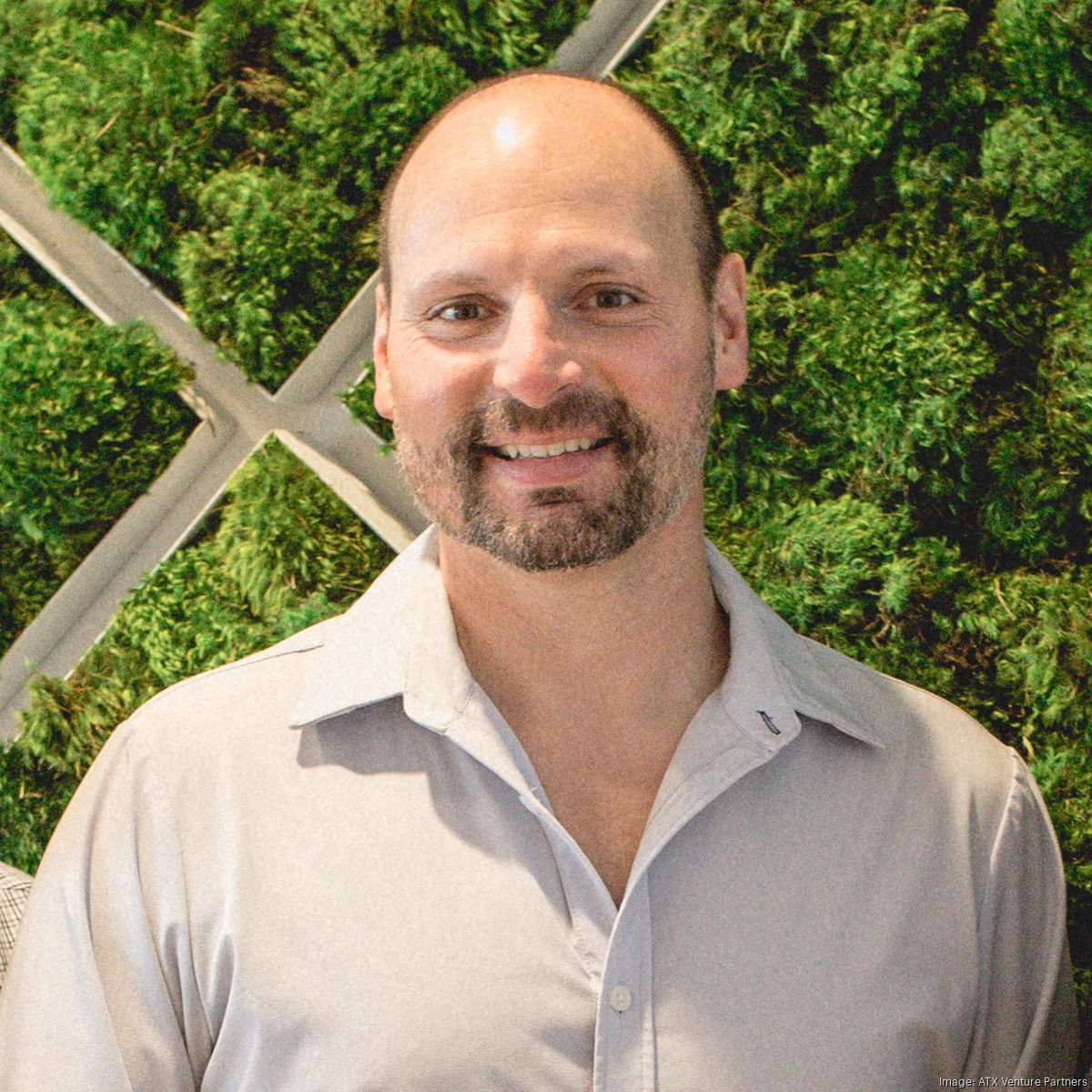
Austin-based GP and cofounder of ATX Venture Partners. Serial founder turned investor who's spent his career backing operators through cycles. Believes great companies are built by teams, not term sheets.

Founder of Playgram.ai, a multi-LLM team collaboration platform with infinite memory. Hands-on AI builder shipping real LLM products and advocating for AI accessibility in startups and universities.

Founded and bootstrapped Rethink into a leading Salesforce-based platform through a private equity exit. Now operating across commercial real estate and investing in early-stage tech, with deep expertise across real estate, finance, and enterprise software.
Active in Austin's tech ecosystem.
MakerSquare is embedded in the Austin builder and operator community — the same network that shows up to Demo Day.